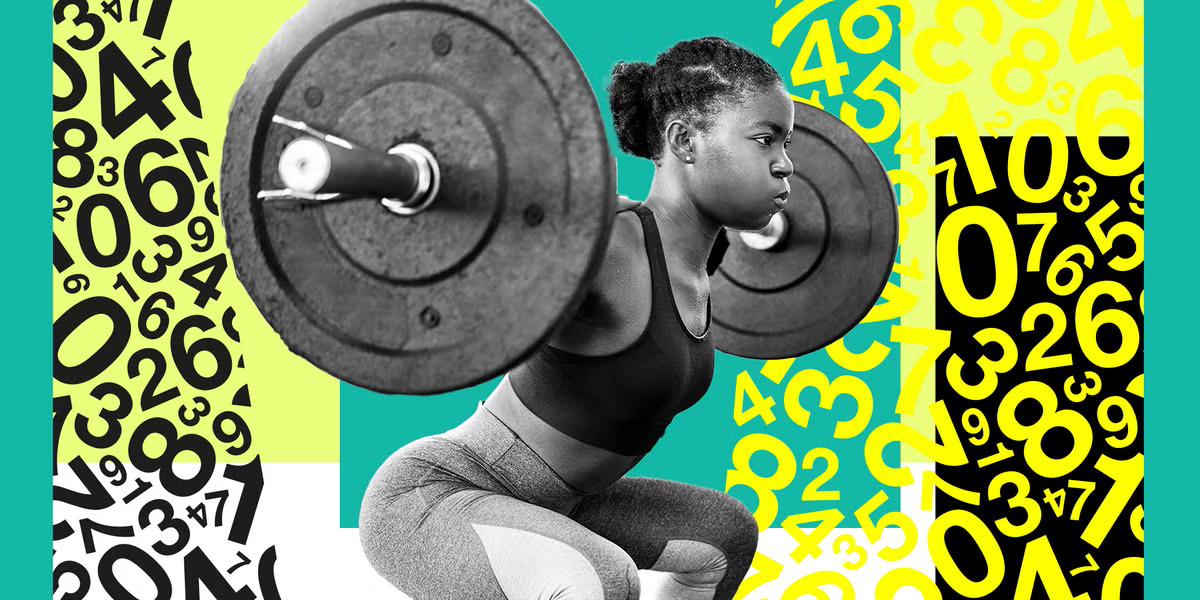


As you get stronger, you become able to lift heavier and heavier weights. That’s the idea at the heart of an often-misunderstood fitness concept: progressive overload. Unfortuantely, there are a lot of myths and misunderstandings about this principle, so here’s how to use it to plan your own workouts or judge whether a program you’re following will keep you on track.
Progressive overload is the increase, over time, in the amount of work or stress you ask your body to handle. The term is used two different ways: as a principle of how the human body works, and as a description of how a workout program changes over time. If you want to know how to “do progressive overload,” you’re thinking of the second one—how to design a workout program.
More, here.