
Attributed to Edward Ling, Founder and CEO of Edvance
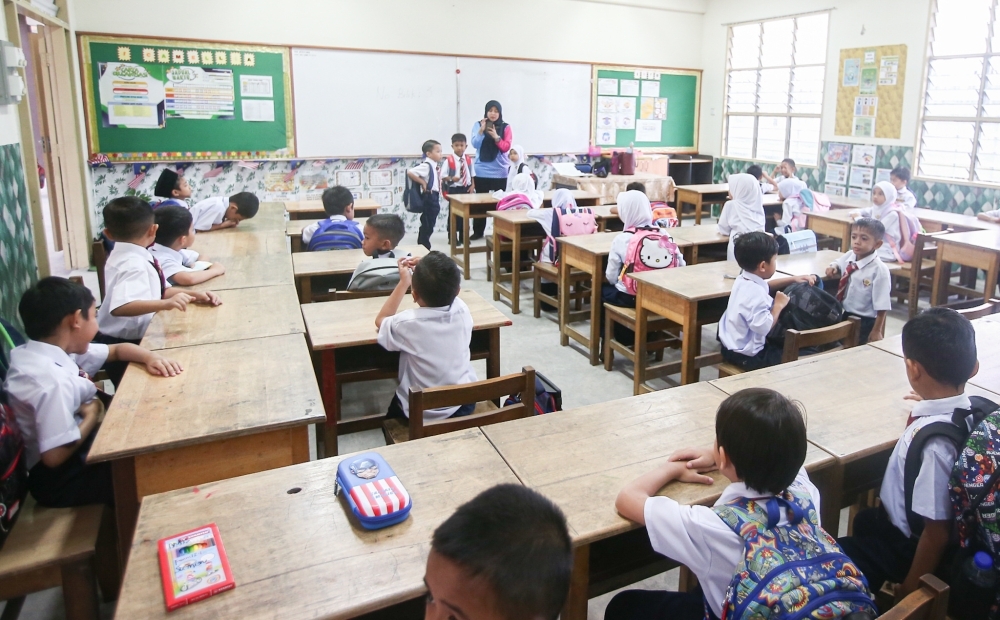
Every parent wants the best for their child—and for many, that begins with access to quality education. But behind the hopeful school drop-offs and report cards lies a financial truth that’s often unspoken: managing school fees can be emotionally and financially taxing, especially when large lump-sum payments are the norm. As more families turn to private and international schools in Malaysia, it’s time we relook at the system that supports them—or doesn’t.
When School Fees Become a Stress Point for Families
International school fees in Malaysia typically range from RM20,000 to RM100,000, per year, and that’s not including registration fees, security deposits, uniforms, and textbooks. These upfront costs can be overwhelming for even middle-income families, who are often already juggling housing loans, childcare, ageing parents, and rising living expenses.
The pressure to make these payments on time can lead to uncomfortable compromises—like dipping into emergency savings, delaying other household needs, or even second-guessing school choices. It’s not that parents don’t value education. It’s that the financial model often doesn’t reflect how families actually manage money today.
More Families, Higher Costs, Greater Need for Flexibility
Since 2019, enrolment in Malaysian international schools has grown by 34 percent, a clear signal that parents are willing to invest in better education options. But as more families enter this space, the volume and complexity of fee-related stress is rising too. This has ripple effects: not only does it add strain on household budgets, but it can also erode the trust and communication between schools and families.
Many schools still operate on outdated billing systems that require term-based payments and manual follow-ups. Meanwhile, families are living in a digital world. According to a Bank Negara Malaysia report, e-payment transactions in 2023 hit 409 per capita—a 19 percent increase from the previous year—suggesting most Malaysians now manage their financial lives online. Yet when it comes to schooling, the payment experience often feels stuck in the past.
Why Solving This Matters for Families—Not Just Schools
While inconsistent payments hurt school operations, they also take a toll on families. Missed payments can lead to embarrassment, missed learning opportunities for children, and even forced withdrawals from a school. In some cases, families simply delay payment due to short-term cash flow issues—not because they cannot afford the fees, but because the structure makes it difficult to meet large lump-sum deadlines.
This is where empathetic finance solutions like Edvance step in. By working directly with schools to offer monthly instalment options, Edvance helps families manage their payments in a way that feels sustainable and respectful—without compromising a child’s learning continuity. It’s about supporting a family’s intent, not punishing their circumstances.
Let’s Design a Payment System That Works for Real Life
If we want to make private education more inclusive, we need to make the system more family-friendly. This means recognising that today’s parents value flexibility, transparency, and empathy. It means designing payment processes that reflect how real families plan their budgets—and how they want to be treated.
Education is a long-term investment, and families deserve financial systems that don’t make them feel like they’re constantly falling short. With the right tools, partnerships, and mindset shifts, we can make school payments less of a pain point—and more of a pathway to possibility.