

During a recent conversation with one of my DBA students, a bright and capable individual who graduated from a local university but now works for a multinational company in Singapore, we explored a pressing issue – talent management and retention.
“Why are we losing so many of our best talents to Singapore?” I asked.
While higher salary is often cited as a key factor, he pointed out that it’s not just about money. Work culture, career progression, and the overall ecosystem play significant roles in a professional’s decision to leave or stay.
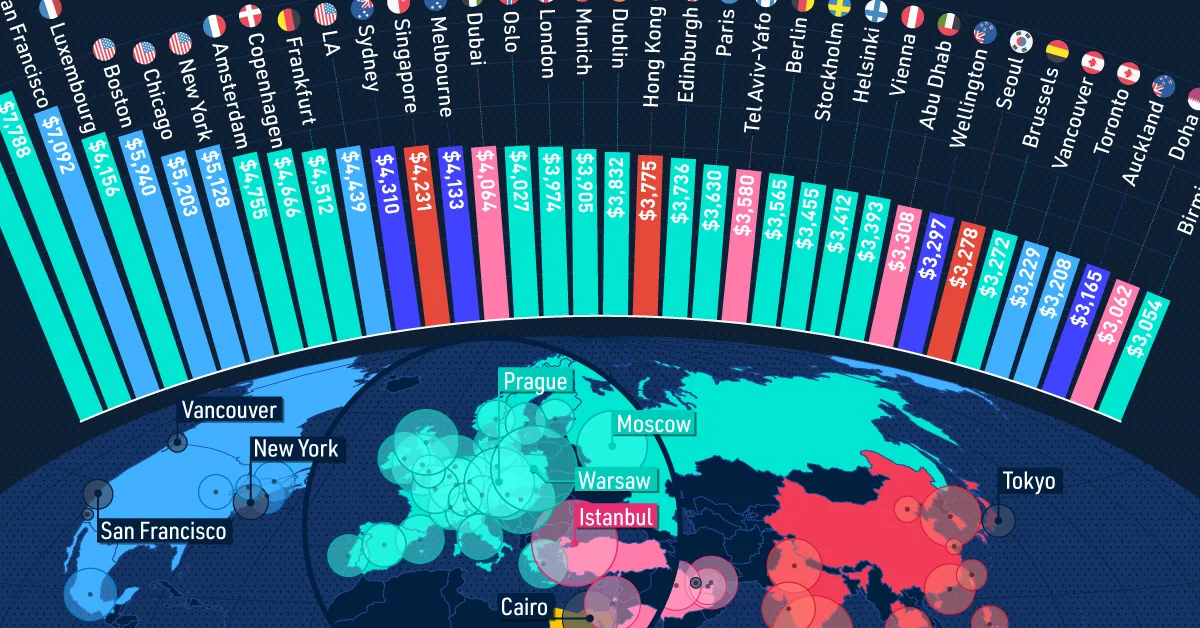
This concern is not unique to Malaysia. The World Bank estimates that over 10% of Malaysia’s skilled workforce lives and works abroad, with Singapore being the top destination. According to a report by the Institute of Labour Market Information and Analysis (ILMIA), Malaysia has seen an increasing number of high-skilled professionals migrating in search of better job opportunities.
What does this tell us? Talent retention is not just a policy issue – it’s a structural challenge that needs urgent attention. If we don’t address this issue, we risk brain drain, losing our most capable people to countries that provide them with the environment they need to thrive.
What Truly Drives Talent Migration?
While financial compensation is an important factor, several deeper issues influence the decision to leave. My student shared some hard-to-swallow observations:
First, we tend to celebrate form over substance. Initiatives are launched with great fanfare, consuming significant time, energy, and resources. They are good initiatives. Unfortunately, once the initial excitement fades, they are often forgotten. This “launch-and-forget” culture leads to short-lived programmes rather than long-term impact.
Take, for example, the number of leadership, innovation, or digital transformation programmes we introduce. How many of them translate into tangible results? Too often, we measure success by the existence of a programme, not by whether it achieves meaningful change.
Second, KPIs sometimes prioritise activities over real impact. Many organisations and institutions evaluate success based on the number of trainings conducted, reports submitted, or projects launched rather than their actual effectiveness.
- Are employees growing in their careers?
- Are innovations leading to commercialisation and societal impact?
- Are businesses improving efficiency and competitiveness?
Instead, we count the number of workshops, certifications, and conferences attended, without measuring whether they contribute to meaningful professional growth or innovation.
Third, work culture matters more than we think. A toxic or bureaucratic environment pushes even the best employees away. My student shared an uncomfortable truth: “We talk about innovation, but we remain highly risk-averse. We create rules and regulations while forgetting to develop real innovation.”
- How many companies and institutions truly reward employees for trying bold ideas – even if they fail?
- How often do we invest in R&D and experimental projects that might take years to yield results?
In contrast, Singapore actively funds and supports R&D, investing 2.2% of its GDP in research and innovation (compared to 1.04% in Malaysia). It also provides structured pathways for startups, industry collaborations, and commercialising research.
A culture of fear-driven compliance stifles creativity. To retain top talents, we must foster an environment where people feel safe to take risks, innovate, and contribute meaningful work.
A Deloitte survey found that 94% of executives and 88% of employees believe workplace culture is crucial for business success. Yet, many organisations still prioritise compliance over creativity, restricting employees instead of empowering them.
Fourth, talent recognition and meritocracy. Perhaps the hardest truth to accept is that in many cases, affiliation outweighs merit, and loyalty is preferred over truth. While we established many academies, decision-making in hiring and promotions sometimes prioritises loyalty, relationships, or internal politics over capability and vision.
From my own experience, it is difficult to disagree with this reality. When talented individuals feel undervalued, overlooked, or restricted, they seek opportunities elsewhere, where their skills and contributions are truly recognised.
A Global Perspective: What Can We Learn?
Singapore: A Magnet for Talent
Singapore has positioned itself as one of the world’s top talent destinations. According to the Global Talent Competitiveness Index, Singapore consistently ranks as the top country in Asia for talent attraction and retention. Why?
- Meritocratic Work Culture: Promotions and career growth are based on results and contributions, not just years of service or internal connections.
- Strong Industry-Academia Collaboration: Universities, research centres, and industries work closely to ensure graduates are aligned with market needs.
- Proactive Talent Development: Singapore doesn’t just attract foreign talent; it heavily invests in reskilling and upskilling local professionals.
Nordic Countries: A Focus on Work-Life Balance & Innovation
Nordic countries such as Denmark, Sweden, and Finland are not just high-paying economies, they offer work environments that foster creativity, inclusivity, and well-being. Talent retention isn’t just about money; it’s about purpose-driven work and autonomy.
Moving Forward: How Can We Retain Our Best Talents?
If Malaysia wants to retain its top talents, it needs to go beyond salary adjustments and address workplace culture, career development, and the innovation ecosystem. Here are some key steps:
Shift from Activity-Based KPIs to Outcome-Based Metrics
Instead of measuring the number of training sessions or initiatives launched, we should track:
- Real skill development (How many employees/students apply their new skills in the workplace?)
- Innovation translation (How many research outputs are commercialised or adopted by the industry?)
- Career progression (Are professionals growing in their roles with meaningful promotions and responsibilities?)
Foster a Meritocratic and Inclusive Work Culture
- Recognise talent based on performance and contribution, not just seniority or affiliation.
- Create transparent career growth opportunities. Talents stay when they see a future.
- Encourage constructive feedback and critical thinking. A workplace where truth is welcomed over blind loyalty fosters innovation and trust.
Build a Risk-Tolerant Innovation Ecosystem
- Encourage calculated risk-taking. Mistakes should be seen as learning opportunities.
- Invest in long-term R&D. Provide incentives for companies and universities to collaborate on innovation.
- Reduce bureaucracy for startups. Make it easier for young entrepreneurs and researchers to turn ideas into reality.
Conclusion: Talent Retention is a Leadership Issue
The conversation with my student was eye-opening, not because the points were new, but because they reinforced a reality we often avoid discussing.
We can talk about innovation, growth, and progress, but without a strong culture of meritocracy, meaningful impact, and risk-tolerant leadership, talent will continue to leave.
If we truly want to retain our best minds, we must move beyond rhetoric and actively build an ecosystem that nurtures excellence, rewards substance, and values integrity.
The real question remains: Are we willing to make these changes? Or will we continue to watch our best talents leave?
Note: Dr Azizi is a professor at the Malaysian Graduate School of Entrepreneurship and Business (MGSEB), Universiti Malaysia Kelantan. He can be contacted at [email protected]