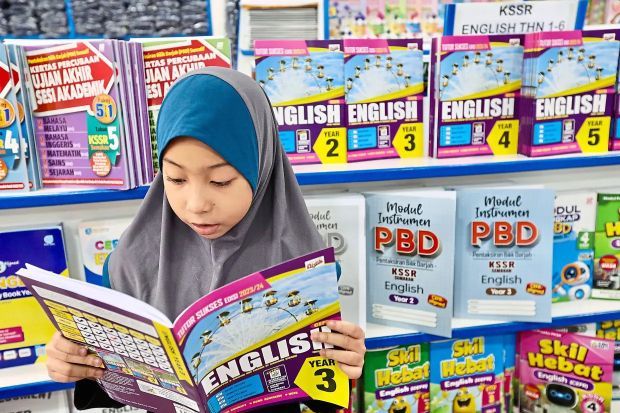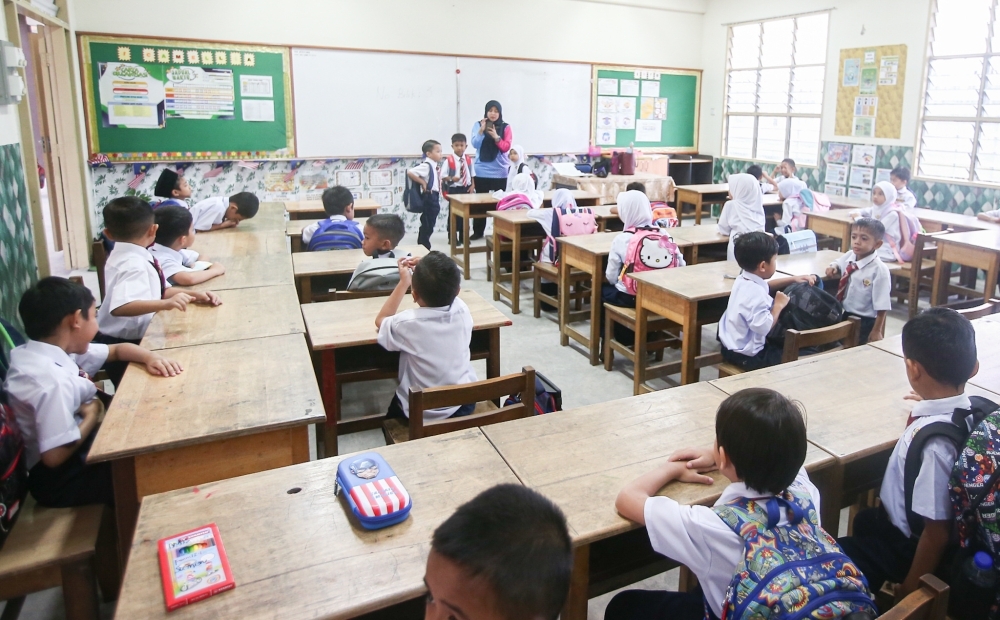


In Malaysia, primary students often find themselves overwhelmed by the burden of excessive homework. The current school system, with its heavy emphasis on academic performance, has inadvertently placed an excessive workload on young learners.
As a result, many students perceive schooling as uninteresting and challenging. In this article, we will shed light on the issue of homework overload for primary students in Malaysia and explore strategies to alleviate this burden.
The perils of excessive homework
The educational system’s reliance on homework as a measure of academic success has led to several challenges for primary students:
- Lack of Interest: An excessive amount of homework can leave students feeling disengaged and uninterested in their studies. Instead of fostering a love for learning, it creates an environment where students perceive schooling as burdensome and unenjoyable.
- Stress and Burnout: Constantly juggling schoolwork and homework can lead to high levels of stress and burnout among primary students. The pressure to complete assignments within strict deadlines can negatively impact their mental well-being and overall academic performance.
- Limited Time for Other Activities: Excessive homework often leaves little time for children to engage in extracurricular activities, pursue hobbies, or simply relax and unwind. This lack of balance hampers their holistic development and may even hinder their cognitive growth.
Strategies to alleviate homework burden
To address the burdensome nature of homework for primary students, it is crucial to implement strategies that prioritize their overall well-being and instill a love for learning. Here are some suggestions:
- Homework Guidelines: Establish clear guidelines and policies regarding the amount and nature of homework assigned to primary students. Schools should ensure that homework tasks are purposeful, meaningful, and aligned with the learning objectives, while also considering the students’ developmental stages and capabilities.
- Differentiated Homework: Recognize that students have diverse learning needs and abilities. Implement a differentiated homework approach where tasks are tailored to individual students’ strengths, interests, and learning styles. This ensures that homework remains challenging yet manageable for each student.
- Collaborative Learning: Encourage collaborative learning opportunities both in and outside the classroom. Group projects and cooperative assignments promote teamwork, critical thinking, and problem-solving skills, reducing the reliance on excessive individual homework.
- Technology Integration: Leverage technology to enhance learning experiences and provide alternative avenues for practising and reinforcing skills. Online platforms, educational apps, and interactive resources can facilitate self-paced learning, allowing students to engage with content beyond traditional homework assignments.
- Parent-Teacher Collaboration: Foster open communication and collaboration between parents and teachers to ensure a balanced workload for students. Regular dialogue enables parents to understand their child’s homework requirements and provides an opportunity to address concerns regarding excessive homework.
- Emphasize Play and Rest: Recognize the importance of play and rest in a child’s development. Encourage schools to allocate sufficient time for recess, physical education, and relaxation, allowing students to rejuvenate and engage in activities that promote creativity and well-being.
Learning from best practices
Several countries have successfully implemented strategies to address the burden of homework for primary students. Finland, for example, emphasizes a holistic approach to education, with minimal homework assigned, allowing children ample time for play and relaxation. Similarly, countries like Japan and the Netherlands prioritize students’ well-being and limit homework hours to maintain a healthy work-life balance.
Making school a fun place: Examples from around the world
Creating a fun and enjoyable learning environment is crucial to engage students and foster their love for education. Here are some suggestions on how to make school a fun place, along with examples from a few countries that have successfully implemented these strategies:
- Interactive Learning Methods: Incorporate interactive teaching methods that encourage active participation and hands-on experiences. For example, project-based learning, where students work on real-world projects, can be implemented. Finland is known for its interactive and student-centered approach, where students engage in experiential learning activities and collaborative projects, making education enjoyable and relevant.
- Gamification: Integrate elements of gamification into the learning process to make it more engaging and entertaining. This can involve the use of educational games, competitions, rewards, and points systems. Singapore has successfully adopted gamification techniques in its education system, incorporating game-based learning platforms to enhance student motivation and interest.
- Outdoor Education: Utilize outdoor spaces and nature as an extension of the learning environment. Conducting classes, experiments, and activities in outdoor settings can bring a sense of adventure and discovery to the learning experience. Sweden’s education system often incorporates outdoor education, providing opportunities for students to learn in natural environments, and fostering a sense of excitement and exploration.
- Creative Arts and Performing Arts: Promote the inclusion of creative arts and performing arts in the curriculum. Incorporate music, dance, drama, and visual arts as means of expression and creativity. The United Kingdom’s education system emphasizes the arts, providing students with opportunities to explore their artistic talents and enjoy a vibrant and expressive learning environment.
- Field Trips and Educational Excursions: Organize regular field trips and educational excursions that enable students to explore new places, learn outside the classroom, and connect theoretical knowledge with real-world experiences. For example, in the United States, schools often arrange visits to museums, science centers, historical sites, and cultural events to make learning more dynamic and exciting.
- Positive Teacher-Student Relationships: Foster positive relationships between teachers and students, creating a supportive and nurturing environment. Teachers can show genuine care, understanding, and enthusiasm for their student’s learning journey, making school a place where students feel valued and motivated to participate actively. The Netherlands places a strong emphasis on positive teacher-student relationships, focusing on creating a warm and inclusive school atmosphere.
By implementing these strategies, schools can transform into vibrant and enjoyable places of learning. They can inspire students, ignite their curiosity, and create an atmosphere where education is not just about acquiring knowledge but also about experiencing joy, growth, and fulfillment.
Through the examples set by countries like Finland, Singapore, Sweden, the United Kingdom, and the United States we can see that making school a fun place is possible, leading to enhanced student engagement and a lifelong love for learning.
Conclusion
The burdensome nature of homework for primary students in Malaysia is a pressing issue that requires attention. It is essential for educators, policymakers, and parents to recognize the detrimental effects of excessive homework and take steps to alleviate the burden on young learners. Implementing strategies such as clear homework guidelines, differentiated assignments, collaborative learning, and a focus on student well-being, should help to solve this problem for good.