I recently returned from a trip to Switzerland. I found it fascinating that multilingualism is a fundamental part of Swiss identity. With four official languages – German, French, Italian, and Romansh – Switzerland truly embodies a polyglot society. It reminded me of the Andalusian era, where Muslim scholars were not only polyglots but also polymaths.
That reflection inspired me to write this article about our education today. In our modern universities, there is a strong pressure for academics to specialise. Scholars are expected to focus deeply on one narrow area, publish in top journals, and build a reputation as an expert in that field.
While specialisation brings depth and technical mastery, it also creates a problem – the inability to see the bigger picture. Knowledge becomes fragmented, and academics often struggle to connect their research to real-world issues or to one another.
This narrowness of modern disciplines limits creativity and weakens our ability to solve complex problems. It also makes universities less relevant to society.
The world today – with challenges like rapid technological transformation, climate change, poverty and inequality – needs people who can think across disciplines, connect ideas, and integrate different perspectives. In other words, we need polymaths again.
Lessons from the Golden Age of Islam
During the Islamic Golden Age, roughly between the 8th and 14th centuries, many Muslim scholars were polymaths. They mastered several fields of knowledge and were often fluent in many languages.
Think of Al-Kindi, who was a philosopher, mathematician, physician and musician. Or Ibn Sina, who wrote groundbreaking works on medicine, philosophy and psychology. Al-Biruni was both a geographer and an astronomer, while Ibn Khaldun is known as the father of sociology and historiography.
What made these scholars exceptional was their openness to knowledge from all sources – Greek, Persian, Indian, and others – and their ability to connect different branches of learning into one coherent worldview. They believed that all knowledge, whether scientific or spiritual, ultimately leads to the understanding of truth and the Creator.
They were not just specialists. They were polyglots who translated, commented and expanded upon knowledge. They were also polymaths who bridged disciplines – combining philosophy with medicine, mathematics with music, astronomy with theology.
This culture of intellectual breadth and curiosity made the Muslim world the global centre of knowledge for centuries.
My Personal Journey: Learning Across Disciplines
Perhaps that is why I have always believed in learning beyond one field. I started as a science student in school and pre-university, where I developed a love for logic and experimentation. Later, I pursued accounting, which taught me structure, precision, and the language of finance.
But I did not stop there. I moved into information technology, where I learned how systems work and how data can transform decision-making. Combining both disciplines, I became a professor of accounting information systems.
From there, I delved into leadership and organisational behaviour – the key elements for the success of information systems development. Then, I entered the world of innovation and entrepreneurship, exploring how ideas become ventures and how people turn challenges into opportunities.
Each stage of my journey has helped me understand the bigger picture. Every discipline gave me a new lens. Science taught me to question. Accounting taught me to measure. Technology taught me to build. Innovation taught me to create. And leadership taught me to inspire.
If I had stayed in one box, I might have been an expert but I would have missed the joy of connecting dots between different worlds of knowledge.
The Problem with Narrow Academic Culture
Unfortunately, our modern academic system, including in Malaysia and many Muslim countries, does not encourage this kind of breadth. We are trained to stay within our own departments. Researchers are rewarded for publications within their own narrow fields. Interdisciplinary work is often undervalued or misunderstood.
This is not only an institutional issue but also a mindset issue – what I often call the “poverty of the mind.” When scholars believe their field is the only truth, they stop being curious. They stop asking questions outside their comfort zone. They stop seeing the world as a whole.
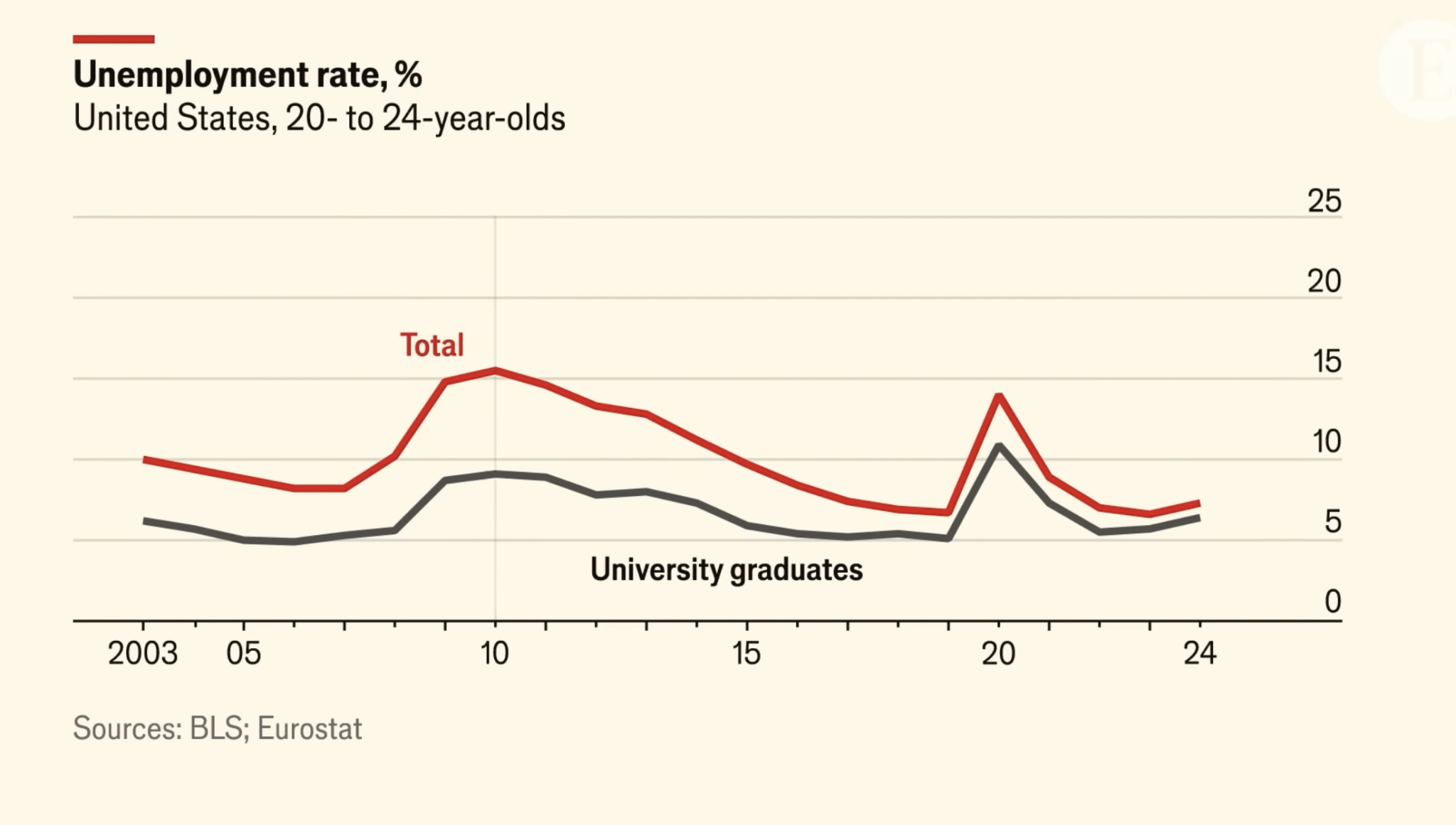
In Malaysia, many universities are still trapped in traditional structures. Faculties work in isolation, even when the national problems we face, like graduate unemployment, digital transformation, and poverty eradication, require collaboration between economists, engineers, educators, data scientists and social scientists.
Similarly, in the wider Muslim world, higher education has often focused more on importing models from the West rather than building new knowledge rooted in our own civilizational strengths – integration, wisdom, and balance.
Why the Polymath Mindset Matters Today
To move forward, we must reclaim the polymath mindset – not by rejecting specialisation, but by combining it with openness and curiosity. Every scholar can remain deep in one field yet still connect to others. Every student can learn to think like a scientist, act like an entrepreneur, and feel like a humanist.
In the age of artificial intelligence, big data, and complex global challenges, the ability to integrate – not just to specialise – will define the leaders and thinkers of the future. Machines can process data, but only humans can connect meanings across domains.
That is why universities must create ecosystems that encourage breadth: joint programmes, interdisciplinary research, and learning that connects science with society.
Reimagining Malaysian and Muslim Universities
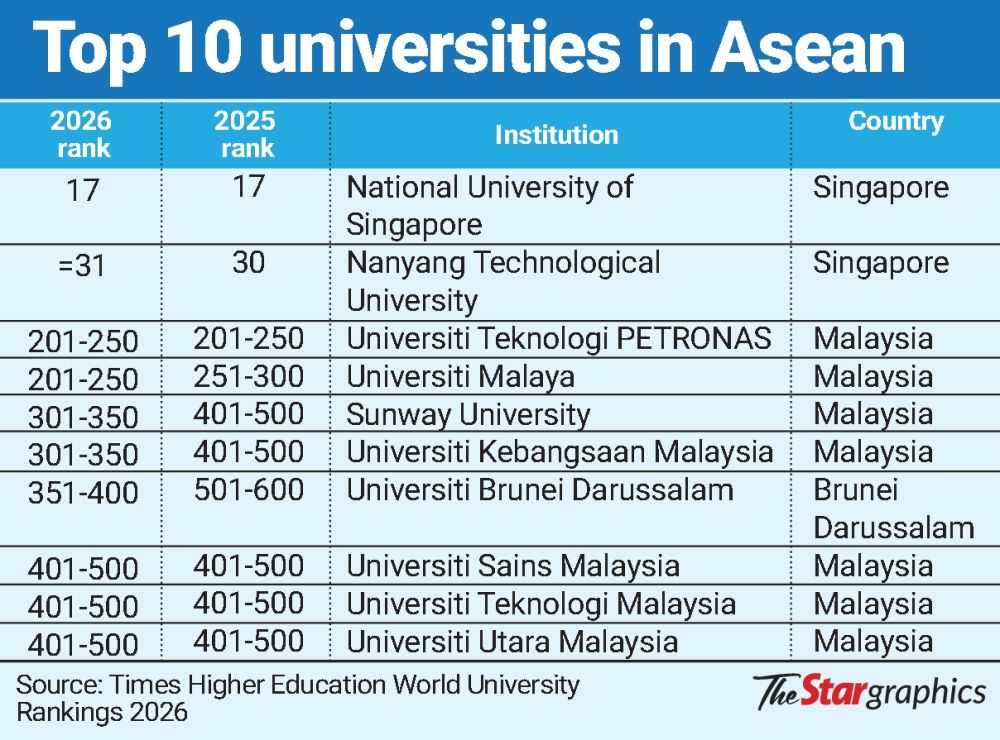
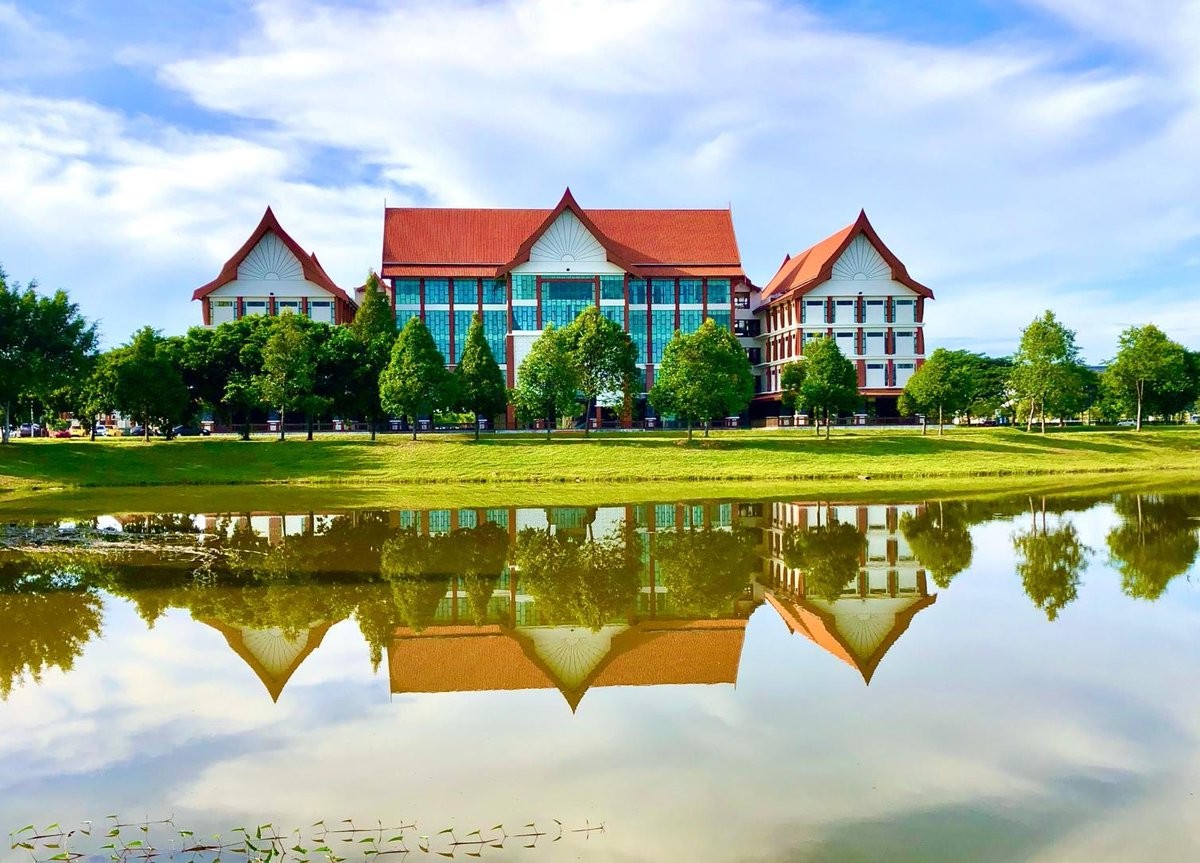
For Malaysian universities, especially those aspiring to become innovation-driven and entrepreneurship-focused, like Universiti Malaysia Kelantan, this is a golden opportunity. We can take inspiration from both our past and global experiments.
In Japan, for example, the Japan Advanced Institute of Science and Technology (JAIST) built its entire philosophy around “Knowledge Science,” removing traditional departmental boundaries to foster interdisciplinary learning. Similar models exist at the University of Tsukuba and Kyushu University’s School of Interdisciplinary Science and Innovation.
Imagine a university where a student of computer science learns philosophy and design thinking; where an engineering lecturer collaborates with social scientists to solve community problems; where religious scholars engage with AI ethics; and where business students learn from history and literature to understand human behaviour.
We need to build institutions that value integration over isolation, wisdom over mere information, and purpose over prestige. Only then can we create scholars who are not just experts, but thinkers; not just professionals, but innovators; and not just graduates, but leaders who see the world as one interconnected system.
The Way Forward
The polymath spirit of the Islamic Golden Age was never about knowing everything. It was about knowing deeply, thinking widely, and connecting meaningfully. It was about curiosity guided by faith and purpose.
As we rebuild our universities and societies, we should revive that spirit – to rediscover the unity of knowledge, the joy of learning, and the courage to think beyond boundaries.
Perhaps it is time we remember: in the long journey of human progress, breadth and depth were never enemies – they are partners in wisdom.
Prof. Azizi is a senior academic at Malaysian Graduate School of Entrepreneurship and Business (MGSEB), UMK (https://mgseb.umk.edu.my) and former university leader with experience in research policy, academic governance, and innovation strategy. He currently teaches and consults on higher education and entrepreneurship and can be contacted at [email protected].