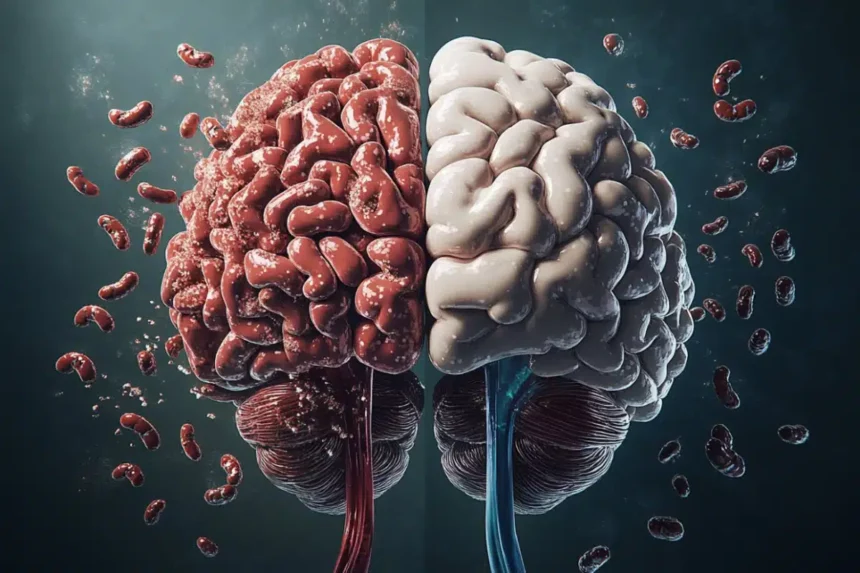


An investigation into why blood doesn’t always behave as doctors expect has revealed a super-rare mutation in an extremely uncommon variation of blood.
Testing more than 544,000 blood samples in a hospital in Thailand revealed three people carrying a never-before-seen version of the B(A) phenotype – a genetic quirk estimated to occur in about 0.00055 percent of people, or roughly one in 180,000.
This discovery, says a team led by hematologist Janejira Kittivorapart of Mahidol University in Thailand, suggests that there may be more rare blood variants out there, too subtle for standard testing to detect.
Human blood is categorized into eight main groups based on the sugars and proteins – or lack thereof – stuck all over your red blood cells.
A, B, and AB types are based on the shape of antigens, sugar molecules that can trigger an immune response. O-type blood has no A or B antigens. Meanwhile, rhesus factors are proteins that determine blood compatibility, and are what give your blood its + or – designation.
Read on here.