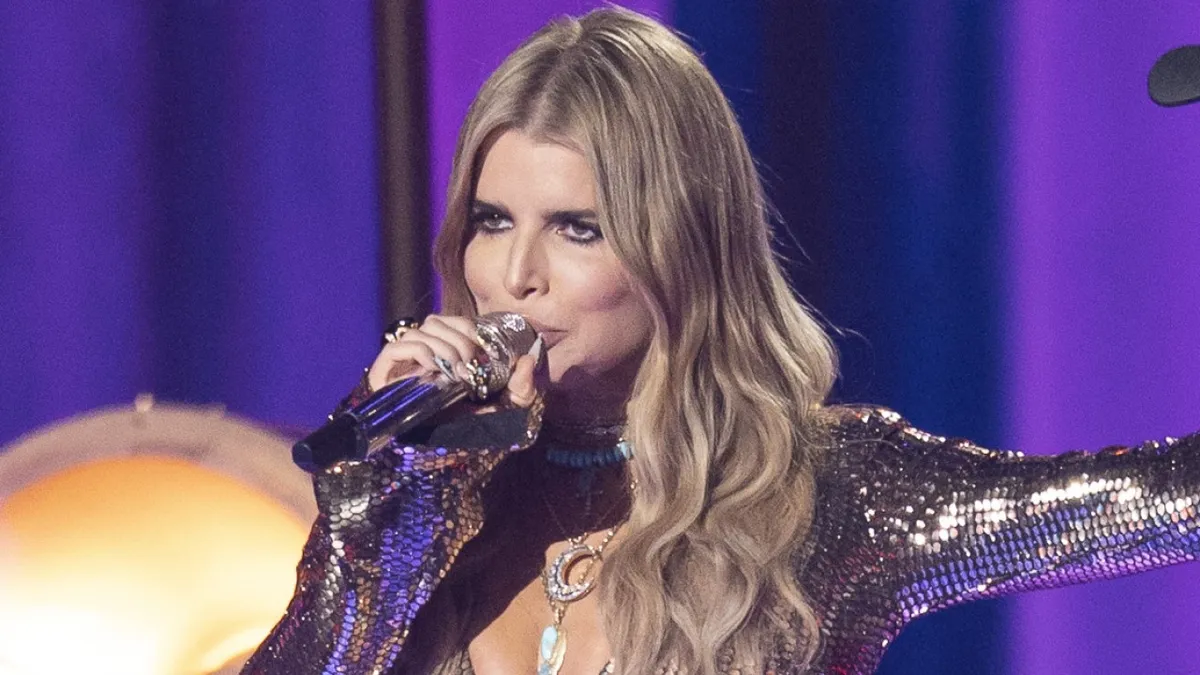

Last month, a US immigration agency clipped a few seconds of Sabrina Carpenter’s pop hit Juno into a social video glorifying ICE deportations. The singer was livid. “This video is evil and disgusting,” she fired back. “Do not ever involve me or my music to benefit your inhumane agenda.”
The White House clapped back with a statement of its own, accusing her of defending “dangerous criminal illegal murderers” and closing with an insult about whether she was “stupid” or “slow.”
This was political theatre with the subtlety of a falling anvil, but for creatives, it raised a familiar question. Once you put work into the world, how much control can you realistically expect to keep over how it’s used, interpreted or twisted? And how much should you even try?
Reagan vs Springsteen
The Sabrina saga may feel very 2025, but its roots go back decades. In 1984, Ronald Reagan attempted to co-opt Bruce Springsteen for his re-election campaign, praising the “message of hope” he claimed to hear in his songs.
Actually, anyone who’d actually paid attention to Born in the U.S.A. knew it was no patriotic pep rally but a furious critique of how America treated Vietnam veterans. The chorus soared; the verses ached. But hey, who listens to lyrics?
Read more here.